Signed in as:
filler@godaddy.com
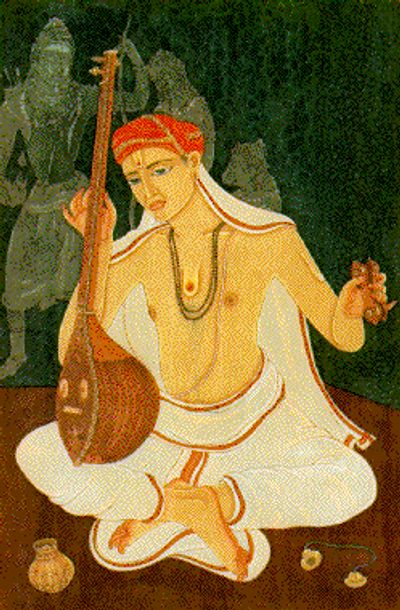
Carnatic music, a classical music tradition from South India, is a profound art form rooted in devotion, discipline, and creativity. Originating over centuries, it thrives in regions like Tamil Nadu, Karnataka, Andhra Pradesh, and Telangana, captivating audiences with its intricate melodies and rhythmic patterns. Carnatic music emphasizes vocal expression, structured compositions, and a deep connection to spiritual themes, often performed in temples, concerts, and cultural gatherings .
At the heart of Carnatic music are ragas (melodic frameworks) and talas (rhythmic cycles). Ragas, such as Mohanam or Kalyani, are built on specific sequences of swaras (musical notes), which form the basis of improvisation and composition. The seven basic swaras—Sa, Ri, Ga, Ma, Pa, Dha, Ni—are manipulated with microtonal nuances (gamakas), creating emotive melodies that resonate with listeners . Talas, like Adi or Rupaka, provide rhythmic structure, guiding performers through cycles of beats. A typical performance blends composed pieces (kritis) with improvisation (alapana, neraval), showcasing a musician’s skill and creativity.
Carnatic music is accessible to all, from beginners to seasoned artists. Learning starts with mastering swaras through ear training, a skill our Carnatic Ear Training app supports by offering AI-powered exercises to identify and practice swaras. This practice strengthens musical intuition, essential for vocalists, instrumentalists (e.g., veena, violin), and even listeners.
Historically, luminaries like Tyagaraja, Muthuswami Dikshitar, and Syama Sastri—known as the Trinity—shaped Carnatic music with their compositions, many of which remain central to performances today.
Beyond its technical depth, Carnatic music fosters community and cultural connection. Whether at a concert in Chennai or a local gathering in Washington, DC, it brings people together through shared appreciation of its beauty and spirituality. Explore our app to begin your journey, deepen your understanding of swaras, and immerse yourself in this timeless tradition.
References: